



Exploring the cultural impact of gambling across societies
The Historical Roots of Gambling
Gambling has a rich and varied history that spans thousands of years, with evidence suggesting its presence in ancient civilizations. From the dice used in Mesopotamia around 3000 BC to the lottery systems established in ancient China, gambling has been intertwined with human culture. The motivations behind these activities often reflect societal values, economic conditions, and spiritual beliefs, highlighting how gambling serves as a mirror of a community’s ethos. Today, you can even explore resources like https://ifb.info/ to learn more about the evolution of this practice.
As societies evolved, so did the forms of gambling. In ancient Rome, for instance, gambling became a form of entertainment during festivals, while in medieval Europe, card games gained popularity. The cultural significance of these practices often transcended mere play, becoming a means of social interaction and a way to express identity within a community.
Gambling as a Social Activity
Across various cultures, gambling is often seen as a communal activity, bringing people together for social interaction and entertainment. In many Indigenous cultures, traditional gambling games have been integral to community bonding and social cohesion. Such practices not only provide entertainment but also reinforce social hierarchies and relationships among participants.
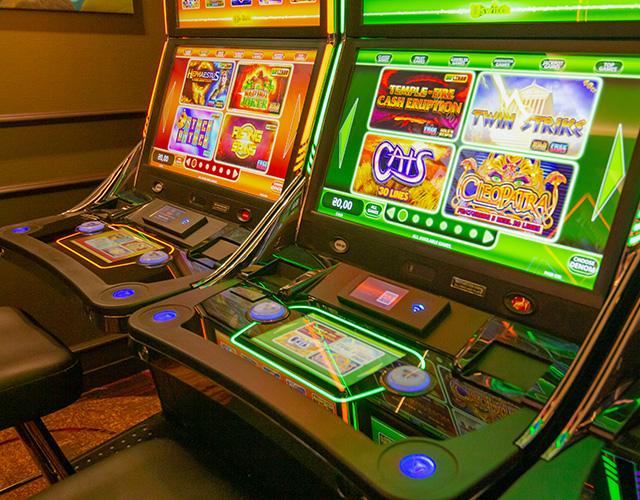
Additionally, modern gambling establishments, such as casinos, serve as social hubs where people gather, celebrate, and interact. The environment created in these spaces fosters connections among diverse groups, showcasing the role of gambling in social dynamics across different societies.
The Economic Influence of Gambling
The economic impact of gambling is profound, influencing both local and national economies. In many regions, gambling generates significant revenue through taxation and job creation. Governments often rely on this income to fund public services and infrastructure, highlighting the intricate relationship between gambling and economic stability.
However, this economic influence is not without its drawbacks. While some communities thrive, others may face challenges related to gambling addiction and social issues that arise from the gambling industry. Understanding these dynamics is crucial for assessing the overall impact of gambling on society.
Cultural Perceptions of Gambling
Cultural attitudes toward gambling can vary widely, influenced by religious beliefs, historical experiences, and societal norms. In some cultures, gambling is viewed as a vice, often associated with moral decay and social problems. In contrast, other societies celebrate gambling as a form of entertainment and a rite of passage, demonstrating the complexity of these perceptions.
These differing viewpoints affect the regulations surrounding gambling, as well as its acceptance within various communities. Societal attitudes can shape not only the legal framework for gambling but also the behaviors and practices of individuals within those societies.

The Future of Gambling Culture
The landscape of gambling continues to evolve, especially with the advent of technology and online gaming platforms. As digital gambling becomes more prevalent, its cultural impact will likely broaden, attracting new audiences and altering traditional perceptions. The integration of gambling into popular culture through movies, television, and social media also indicates its growing significance in modern life.
As we look to the future, understanding the cultural impact of gambling will be vital in navigating the associated challenges and opportunities. This awareness can guide policies, enhance community engagement, and promote responsible gambling practices, ensuring that the cultural heritage of gambling is preserved while adapting to contemporary societal needs.
