




This scenario, common to the construction industry and others, is ideal for CCM since it has a short completion time and predictable costs. Rather than tally expenditures as they accrue, the https://techns.website/what-is-leverage-in-futures-trading-meaning-risks/ company can add everything together at the end for a streamlined revenue recognition process. For instance, software development companies may not be able to determine a clear timeline or project scope.
Construction Contractors Methods of Accounting for Income Tax Purposes
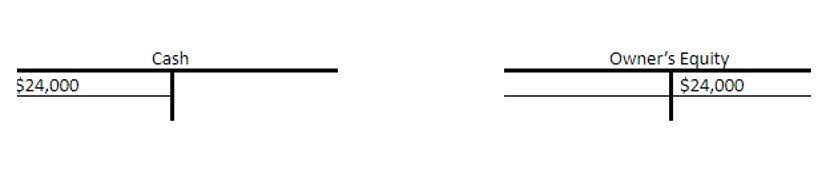
For contractors reporting tax obligations under General Accepted Accounting Principles or US GAAP standards, change the completed contract equation slightly. Your yearly income statement will not factor in your business’s investment in that project. You incur half of the expected costs in Year One ($400,000) and bill the customer $450,000.
- From the perspective of an auditor, the CCM requires a thorough understanding of contract terms and careful assessment of project completion status.
- This example illustrates how CCM can result in significant fluctuations in reported earnings, which stakeholders must consider when analyzing a company’s financial health.
- One is percentage-of-completion method and the other is completed contract method.
- If you decide to use this method, just remember that you’ll continue to bill your customer, suppliers, employees, and other contractors during the job.
- The completed contract method is one of the most popular accounting methods in the construction industry.
The Completed Contract Method (CCM)

For instance, consider a software development project with Cash Disbursement Journal a contract value of $1 million. If the project is 50% complete, and the costs incurred to date are $400,000, the company would recognize $500,000 in revenue and $400,000 in costs, resulting in a reported profit of $100,000. On the other hand, the Completed Contract Method defers all revenue and profit recognition until the project is fully completed. This approach is often favored by conservative accountants and companies in industries with high uncertainty.
Resource Management
This ensures your financial statements represent a clear and accurate picture of each specific contract. During the project, all your financial activity is tracked on the balance sheet. You’ll accumulate costs in an asset account and record any payments from the client as a liability. It’s only when you hand over the final product that the magic happens on your income statement. At that moment, you recognize the total contract revenue and all the accumulated costs at once, revealing the project’s total profit or loss.
Tax Implications of the Completed Contract Method
The problem with revenue recognition is that many companies are valued based on the revenues they report, so there is an incentive to report excessively high revenue levels. This can take many forms, such as applying more generous recognition methods that do not really apply to a company’s circumstances, or making use of gray areas of the regulations to falsely accelerate the reporting of revenue. Given these concerns, auditors tend to allocate more of their time to the examination of clients’ revenue recognition methods. A revenue recognition method that recognizes income and expenses proportionately as work on a long-term contract progresses.
- The percentage of completion method involves, as the name implies, the ongoing recognition of revenue and profits related to longer-term projects.
- Regardless of the method chosen, achieving accurate Contract Costing presents significant challenges that can impact financial reporting integrity.
- This book will show you how, and it will show real examples of how this works and how much you can potentially profit, and how bonds, at times, can even be better than stocks.
- As the contract progresses, the revenues & expenses are accumulated in the balance sheet until the last day of contract completion.
How to Handle Common CCM Challenges

Construction companies should start by establishing a comprehensive system for monitoring project costs, including both costs incurred to date and total estimated costs for completion. Regularly updating these figures allows companies to accurately calculate the percentage of completion and recognize revenue in line with actual project progress. XYZ believes that if given the contract, they will be able to complete the project in 7 months’ time. Now, when ABC is dealing with a short-term project, it uses the completed contract method of revenue recognition. In the contract, the organization has given an offer of $5 million that is willing to pay ABC once they complete the project. So, since XYX was able to complete the project successfully, the revenue that John will recognize in this case is $5 million, including the constructions actual cost of $4.5 million.
The Percentage of Completion Method and the Completed Contract Method are two primary approaches used in accounting for such contracts, each with its own set of criteria that make it suitable for different scenarios. The Percentage of Completion Method is an accounting approach that recognizes revenue and expenses, and consequently profit, incrementally as work progresses on a long-term contract. Unlike its deferred counterpart, this method provides a more dynamic and current view of a project’s financial performance, aligning financial reporting with the ongoing economic activity of the contract. As financial reporting evolves, the role of CCM under GAAP is scrutinized for its relevance and applicability in today’s fast-paced business environment. The Completed Contract Method is a conservative yet strategic approach to revenue recognition for long-term contracts. It’s best applied when project outcomes are uncertain, costs and revenues are volatile, and when it aligns with the company’s regulatory and tax considerations.
- Why most contractors prefer this method is that it fits well with short-term contracts as well as projects involving residential construction.
- Under the completed contract approach, companies must report the cost and revenue incurred based on the actual results.
- Users of the competed contract method use it to recognize all project-related revenue and profits upon project completion.
- Having explored the fundamental differences and financial impacts of the Completed Contract Method and the Percentage of Completion Method, understanding their optimal application is crucial.
- While it provides certain benefits, such as tax deferral and a risk-averse stance, it also requires stakeholders to adjust their expectations regarding financial performance and cash flow predictability.
Overview of Revenue Recognition Methods
Construction accounting differs significantly from other industries due to the unique nature of construction projects completed contract method that often span multiple accounting periods and involve complex cost structures. The completed contract approach acknowledges these complexities by providing a straightforward method for revenue recognition that eliminates the need for complex progress estimates during the contract period. Finally, when assessing and choosing revenue recognition methods, contractors should consult with their construction-specific CPA. Because income and expenses hit all at once, income statements become less useful in the short term and can show major, sudden swings.
