



Online pokies occupy a unique space in digital gaming, where risk perception is shaped by a blend of technology, design, and human psychology. For Australian players exploring online pokies, understanding how decision making is influenced by digital environments can be the difference between casual entertainment and problematic play. The interplay of cognitive biases, sensory immersion, and community interaction creates a landscape where risk and reward often feel more intertwined—and more elusive—than in traditional gaming arenas.
Introduction to Online Pokies and Risk Perception in Digital Gaming

Unlike their mechanical predecessors, online pokies leverage sophisticated software and immersive design to engage players. The digital format introduces new variables that affect how risk is perceived and managed. In this setting, every spin is governed by algorithms rather than physical reels, yet the anticipation and emotional investment remain just as potent. This intersection of technology and psychology reflects a broader trend in digital gaming, where the boundaries between entertainment and gambling continue to blur.
Cognitive Biases Shaping Player Choices in Online Pokies
Decision making in online pokies is rarely a purely rational process. Players are subject to cognitive biases—mental shortcuts that simplify choices while playing but can lead to skewed risk assessment. The ‘gambler’s fallacy,’ for example, leads a player to believe that a losing streak must soon be broken, even though outcomes are independent. Similarly, the ‘availability heuristic’ causes memorable big wins to loom larger in memory than frequent losses, distorting perceived odds of success.
Emotional triggers are also at play. A near-miss or a narrowly avoided loss can activate reward circuits in the brain, making the experience more thrilling and prompting continued play. By understanding these psychological patterns, casino operators design experiences that keep engagement high—often at the expense of accurate risk perception.
Sensory Design and Its Influence on Risk Awareness
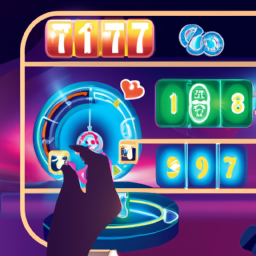
The visual and auditory landscape of online pokies is engineered for maximum impact. Flashing lights, celebratory sounds, and animated sequences all work together to create an atmosphere of excitement and possibility. This sensory overload can mask the reality of losses, making risk feel less tangible than it actually is.
For example, a player might lose several spins in a row, but each attempt is accompanied by engaging graphics and hopeful jingles, softening the psychological blow. The design does not merely entertain; it actively shapes how players interpret outcomes, often tipping the balance toward optimism and risk-taking.
| Design Element | Impact on Risk Perception |
|---|---|
| Animated Wins | Amplifies perceived frequency of success |
| Upbeat Sound Effects | Reduces negative emotions after losses |
| Vibrant Colors | Maintains excitement, distracts from losing streaks |
The Illusion of Control and Its Effect on Digital Slot Gameplay
Features such as interactive bonus rounds and “pick-and-win” games introduce an element of choice, giving players a sense of agency. This illusion of control suggests that skill or strategy can influence the outcome, even though the underlying mechanics remain random. When a player selects a treasure chest or spins a virtual wheel, the engagement feels participatory, fostering a belief in personal influence over luck-based results.
Near-miss outcomes—where the reels appear to almost land on a jackpot—are particularly effective. These moments trigger strong emotional responses, making it feel as though success is just out of reach and encouraging continued play in pursuit of a win. This phenomenon has been widely observed in both research and real-world online pokies environments.
Randomness, Probability, and Player Misconceptions
Misunderstandings about randomness and probability are common in digital slot play. Many players believe that after a series of losses, a win is “due,” or that certain machines are “hot” or “cold.” In reality, each spin is governed by a random number generator (RNG), making outcomes truly independent and unpredictable.
Return-to-player (RTP) rates and volatility also contribute to confusion. A high RTP might be interpreted as a guarantee of frequent wins, when it simply reflects long-term averages. In practice, short-term variance can lead to extended losing streaks or rare big wins, confounding player expectations.
- Randomness: Each spin is independent, unaffected by previous results.
- Volatility: High-volatility games offer bigger but less frequent wins, while low-volatility games provide smaller, more consistent payouts.
- RTP: Indicates percentage of wagered money returned to players over time, not per session.
Social and Environmental Factors Amplifying Risk-Taking
Online pokies platforms increasingly incorporate social features such as multiplayer tournaments, leaderboards, and chat communities. These elements add a competitive edge, encouraging higher wagers and longer play sessions. Seeing peers celebrate big wins or climb leaderboard rankings can create a sense of urgency and fear of missing out (FOMO), prompting riskier bets.
In virtual environments, anonymity and the absence of physical cues further diminish inhibitions. Players may feel less accountable for their spending and more inclined to chase losses or experiment with higher stakes, especially when spurred on by group dynamics.
Monetization Models and Behavioral Nudges in Virtual Casinos
Digital casinos employ a range of behavioral nudges and monetization strategies to maximize player engagement. Loyalty programs, daily bonuses, and microtransactions encourage repeat visits and incremental spending. For instance, a player might receive free spins after a losing streak, which both softens disappointment and entices further play.
Some platforms utilize time-limited offers or tiered rewards to instill a sense of urgency. These mechanics are designed to exploit psychological triggers, increasing both the frequency and size of wagers. Such nudges are subtle yet powerful, leveraging the inherent uncertainty of online pokies to keep players returning.
Technological Immersion and Its Impact on Risk Perception
Advancements in technology have made online pokies more immersive and accessible than ever. Mobile apps offer instant access from any location, while virtual reality integrations provide deeply engaging, lifelike casino environments. Seamless digital wallets and payment systems reduce friction, allowing players to deposit and wager funds with minimal interruption.
The convenience and realism of these platforms can make gambling feel less consequential, as physical barriers and social checks are removed. Players may underestimate the risks involved, viewing gameplay as entertainment rather than a financial decision. Over time, this blurring of boundaries can reshape attitudes toward risk and reward in profound ways.
Reflecting on the Evolving Relationship Between Online Pokies and Player Psychology
As digital gaming continues to evolve, so too does the psychology of risk perception among online pokies players. The convergence of cognitive biases, immersive design, and advanced technology creates an environment where risk can be both enticing and elusive. For Australian players, awareness of these underlying dynamics is crucial for maintaining control and making informed choices in a rapidly changing virtual landscape.
